Welcome to the AeroShine blog, where our team of FAA-certified A&P mechanics shares professional insights on aircraft care, maintenance, and detailing. Whether you're a private pilot or manage a corporate fleet, these articles will help you keep your aircraft looking pristine and protected year-round.

Aircraft cabin interior mold prevention
Health & Safety
January 2024 12 min read

Hidden Mold in Aircraft: Why It's More Common Than You Think

Even meticulously maintained aircraft can develop mold in hidden, hard-to-access areas. Learn why aircraft are prone to mold growth, where it hides, the risks it poses, and how AeroShine's specialized mold remediation service can protect your aircraft and passengers.

Read Full Article
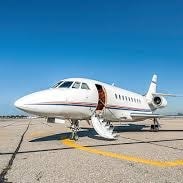
Aircraft detailing complete guide
Complete Guide
January 2024 15 min read

What Is Aircraft Detailing? A Complete Guide for Jet Owners

When most people hear "detailing," they picture a spotless car. But aircraft detailing is an entirely different world—one that blends technical precision, safety standards, and mechanical understanding into a specialized service essential for preserving aircraft value and readiness. This comprehensive guide covers everything jet owners need to know.

Read Complete Guide
Aircraft brightwork polishing
Maintenance Tips
January 2024 5 min read

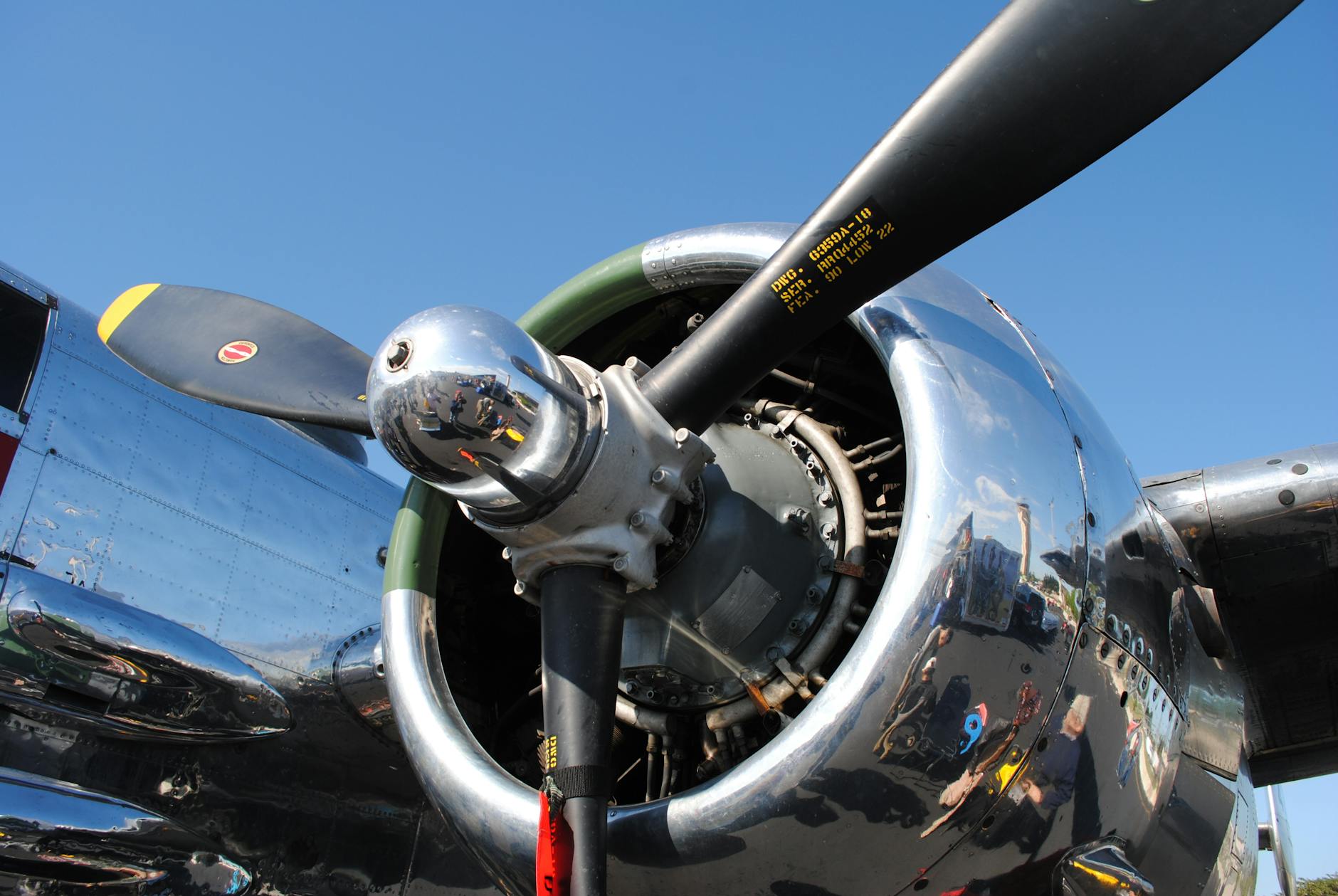
The Ultimate Guide to Brightwork Maintenance

Brightwork—the polished aluminum surfaces on your aircraft—requires special attention to maintain its brilliant shine. As A&P mechanics, we've seen countless aircraft lose their luster due to improper care or neglect.

Why Brightwork Matters

Beyond aesthetics, well-maintained brightwork protects the underlying metal from oxidation and corrosion. The polished surface creates a barrier that helps prevent moisture penetration, which is especially important in humid climates like Missouri.

Professional Maintenance Schedule

Monthly: Wash with pH-neutral aircraft soap and dry thoroughly. Inspect for early signs of oxidation or pitting.

Quarterly: Apply a quality metal polish to restore shine and remove light oxidation. Use circular motions and clean microfiber cloths.

Annually: Consider professional polishing service to remove deeper oxidation and restore factory-level shine. This is where our mechanical expertise makes a difference—we know which areas require extra attention based on airflow patterns and exposure.

Common Mistakes to Avoid

  • Using abrasive cleaners that scratch the surface
  • Allowing water spots to dry and etch the metal
  • Neglecting hard-to-reach areas like landing gear struts
  • Polishing in direct sunlight (causes streaking)

The A&P Advantage

Our team understands aircraft systems and structures, so we can safely polish around sensitive areas like pitot tubes, static ports, and control surfaces without compromising safety. We also inspect for corrosion during the polishing process—catching potential issues before they become expensive repairs.

Want professional brightwork restoration? Our team can bring back that showroom shine while ensuring every detail meets aviation standards.

Schedule Brightwork Service
Aircraft in winter conditions
Seasonal Care
December 2023 6 min read

Protecting Your Aircraft Through Missouri's Four Seasons

Missouri's dramatic seasonal changes—from humid summers to icy winters—present unique challenges for aircraft owners. Here's how to protect your investment year-round.

Spring: Combat Pollen and Moisture

Spring in Missouri brings heavy pollen and frequent rain. Pollen isn't just unsightly—it's acidic and can damage paint and seals if left too long.

Action items: Increase washing frequency to weekly during peak pollen season. Apply a quality wax or ceramic coating to create a protective barrier. Check and clean drain holes to prevent water accumulation.

Summer: Fight UV Damage and Heat

Intense UV radiation and high temperatures accelerate paint fading and interior degradation. The combination of heat and humidity also promotes mold growth in aircraft interiors.

Action items: Use UV-protective covers when parked outdoors. Apply UV protectant to interior surfaces monthly. Run dehumidifiers in closed aircraft to prevent moisture buildup. Consider ceramic coating for superior heat reflection and paint protection.

Fall: Prepare for Temperature Swings

Fall's temperature fluctuations create condensation issues. Morning dew combined with cool nights can lead to moisture trapped in crevices.

Action items: Perform thorough cleaning and inspection before winter. Apply fresh wax or sealant. Check weather stripping and door seals. Clean and treat leather surfaces before cold weather sets in.

Winter: Protect Against Ice and Salt

Ice, snow, and de-icing chemicals are your aircraft's enemies. Road salt from nearby highways can become airborne and settle on aircraft surfaces.

Action items: Wash aircraft promptly after winter storms to remove de-icing residue. Never chip ice off surfaces—use approved de-icing products. Keep aircraft hangared when possible. Apply corrosion-inhibiting compounds to landing gear and exposed metal.

Year-Round Professional Care

Our team at AeroShine understands Missouri's climate challenges intimately. We tailor our detailing services to address seasonal concerns, using products and techniques appropriate for current conditions. As A&P mechanics, we also spot weather-related maintenance issues during the detailing process.

Prepare your aircraft for the changing seasons with professional detailing that protects your investment.

Request Seasonal Protection Service
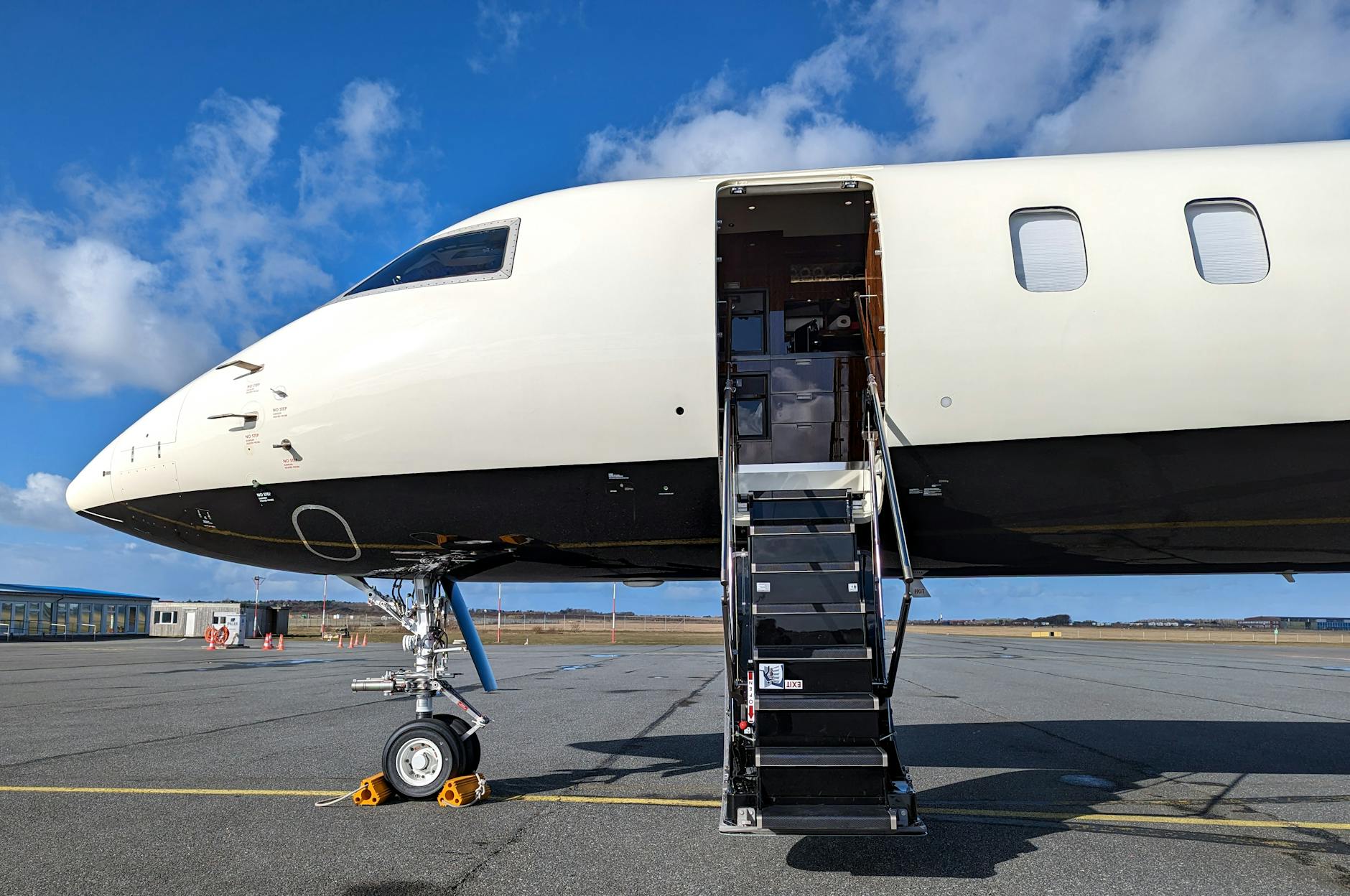
Clean aircraft exterior
Best Practices
November 2023 7 min read

Aircraft Detailing Best Practices: What Every Owner Should Know

Professional aircraft detailing is more than just making your plane look good—it's about preservation, safety, and maintaining value. Here's what separates amateur cleaning from professional detailing.

Start with the Right Products

Not all cleaning products are aircraft-safe. Automotive products often contain chemicals that can damage aircraft paint, plastics, and composites.

Always use: pH-neutral aircraft-specific soaps, non-abrasive microfiber cloths, aviation-approved polishes and waxes, and distilled or filtered water for final rinse (prevents mineral deposits).

Never use: Household cleaners, abrasive scrubbers, pressure washers on painted surfaces, or silicone-based products near control surfaces.

The Proper Washing Technique

1. Pre-rinse: Gently rinse the entire aircraft to remove loose dirt and debris. This prevents scratching during washing.

2. Two-bucket method: Use one bucket for soapy water and another for rinsing your cloth. This prevents dirt from being reapplied to the aircraft.

3. Work top to bottom: Start at the highest point and work down, allowing gravity to help remove dirt.

4. Avoid circular motions: Use straight, overlapping strokes in one direction to minimize swirl marks.

5. Dry immediately: Use clean, dry microfiber towels to prevent water spots. Never air dry.

Critical Areas Requiring Special Attention

Windscreens and windows: Use only approved acrylic cleaners. Never use ammonia-based products (like Windex), which cause crazing and permanent damage.

Leading edges: These high-impact areas accumulate bug strikes and require gentle but thorough cleaning to maintain aerodynamic efficiency.

Landing gear: Clean thoroughly and inspect for hydraulic leaks, tire wear, and brake condition. Apply corrosion inhibitor after cleaning.

Control surfaces: Be extremely careful around hinges, balance weights, and control horns. Never apply lubricants or treatments that could affect control surface movement.

Interior Detailing Essentials

Aircraft interiors face unique challenges: limited ventilation, temperature extremes, and sensitive avionics.

Leather care: Use aviation-grade leather cleaners and conditioners. Treat every 3-4 months to prevent cracking.

Carpet maintenance: Vacuum thoroughly before shampooing. Use low-moisture cleaning methods to prevent mold growth. Ensure complete drying before closing up the aircraft.

Avionics protection: Never spray cleaners directly on instruments or panels. Use barely-damp cloths and avoid getting moisture in switches or connectors.

When to Call Professionals

While regular owner maintenance is important, professional detailing provides benefits you can't achieve at home:

  • Compound polishing to remove oxidation and restore paint
  • Ceramic coating application requiring controlled environment
  • Deep interior cleaning with commercial-grade equipment
  • Corrosion inspection and treatment by qualified mechanics
  • Proper disposal of cleaning wastewater (environmental compliance)

The A&P Mechanic Difference

When A&P mechanics detail your aircraft, you get more than cleaning—you get a thorough inspection. We notice loose fasteners, developing cracks, fluid leaks, and other issues that pure detailers might miss. This dual expertise provides peace of mind that your aircraft is both beautiful and airworthy.

Experience the difference of professional detailing by FAA-certified mechanics who understand every system on your aircraft.

View Our Services
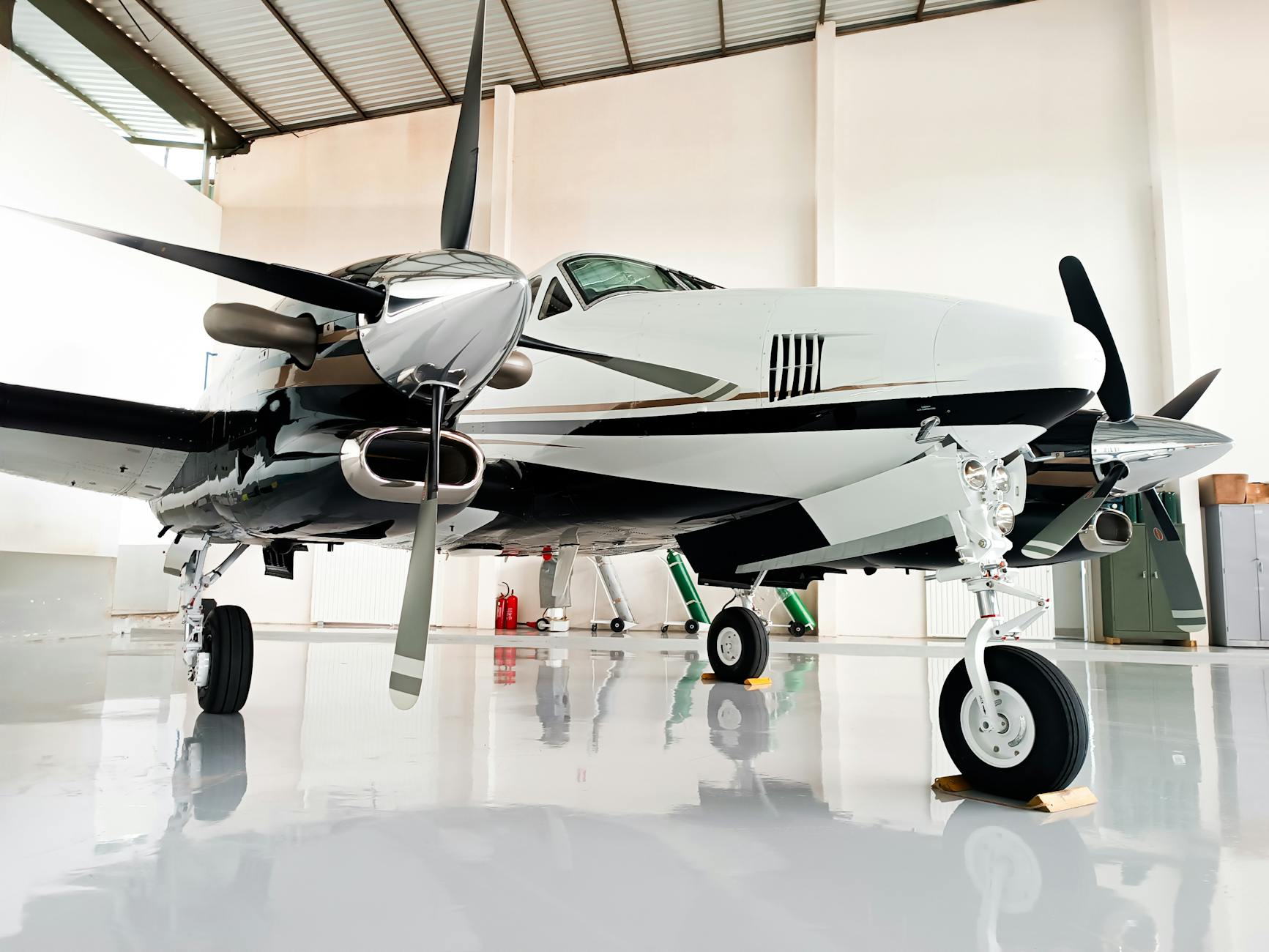
Polished aircraft propeller
Expert Advice
October 2023 5 min read

5 Signs Your Aircraft Needs Professional Detailing

Regular cleaning is important, but sometimes your aircraft needs more than a basic wash. Here are five signs it's time to call in the professionals.

1. Visible Oxidation on Painted Surfaces

If your aircraft's paint looks chalky, feels rough to the touch, or shows a dull, faded appearance, oxidation has begun attacking the paint. This happens when UV exposure breaks down the paint's protective clear coat.

Why it matters: Oxidation doesn't just look bad—it compromises paint integrity and can lead to corrosion of the underlying metal. Once oxidation penetrates through the paint, moisture can reach the airframe.

Professional solution: Compound polishing removes the oxidized layer and restores the paint's protective qualities. Following up with ceramic coating provides long-lasting UV protection.

2. Water Spots That Won't Come Off

Those stubborn white spots on your windscreen, paint, or brightwork aren't just dried water—they're mineral deposits that have etched into the surface.

Why it matters: Etched water spots can permanently damage acrylic windscreens and painted surfaces if not properly removed. DIY attempts often make them worse.

Professional solution: We use specialized compounds and polishes designed to safely remove mineral deposits without damaging the underlying surface. For windscreens, we have acrylic-safe products that restore optical clarity.

3. Interior Odors That Persist

If your aircraft interior has musty, stale, or unpleasant odors that don't go away with airing out, you likely have mold, mildew, or bacteria growth in carpets, upholstery, or ventilation systems.

Why it matters: Beyond being unpleasant, mold and mildew can cause health issues and damage interior materials. They indicate moisture problems that need addressing.

Professional solution: Deep carpet shampooing, upholstery treatment with antimicrobial products, and thorough drying eliminate the source of odors. We also inspect for moisture entry points and recommend solutions.

4. Brightwork Has Lost Its Shine

When polished aluminum surfaces look dull, cloudy, or show brown/black oxidation spots, they need more than a simple wipe-down.

Why it matters: Oxidized aluminum becomes pitted and rough, creating surface area where corrosion can accelerate. Left untreated, you may eventually need expensive part replacement.

Professional solution: Progressive polishing using increasingly fine compounds removes oxidation and restores mirror-like shine. We then apply protective sealants that slow future oxidation. As mechanics, we also inspect for structural concerns during polishing.

5. Decreased Resale Value Concerns

If you're considering selling or trading your aircraft, professional detailing can significantly impact perceived value. First impressions matter tremendously in aircraft sales.

Why it matters: A well-maintained, professionally detailed aircraft can command thousands of dollars more than an identical aircraft showing neglect. Buyers associate exterior appearance with overall maintenance quality.

Professional solution: A comprehensive detail—exterior, interior, and brightwork—presents your aircraft in the best possible light. We can also provide documentation of the detailing work, which demonstrates your commitment to proper maintenance.

Don't Wait Until It's Too Late

The longer you wait to address these issues, the more expensive and difficult they become to fix. Regular professional detailing—typically 2-4 times per year depending on use and storage—prevents problems from developing and maintains your aircraft's value.

Notice any of these signs on your aircraft? Schedule a professional assessment and detailing service today.
Schedule Assessment
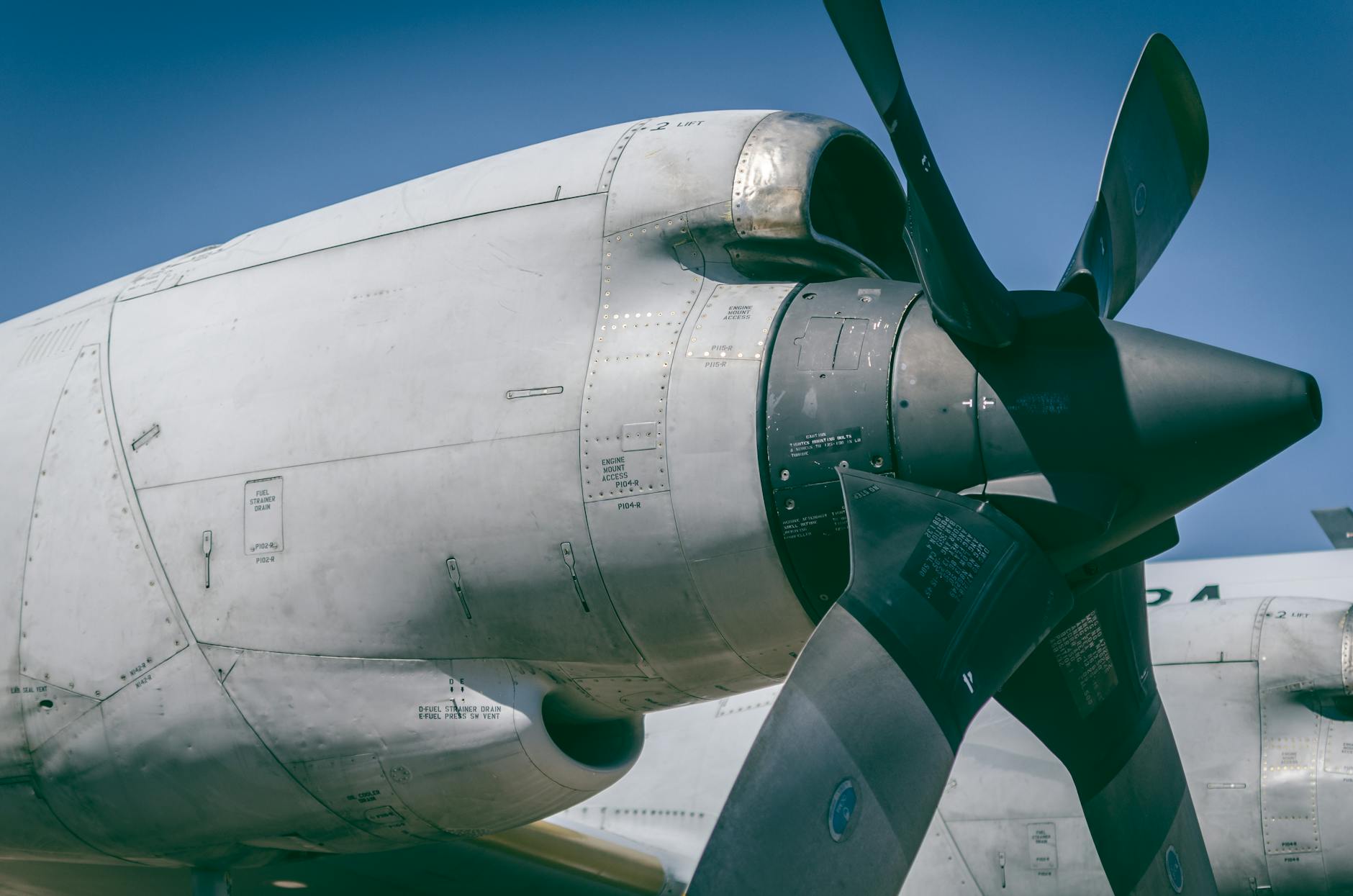
Aircraft engine detailing
Care Tips
September 2023 6 min read

Between Professional Details: Aircraft Care for Owners

Professional detailing keeps your aircraft in top condition, but what you do between services matters just as much. Here's your guide to maintaining that fresh-from-the-detailer look.

Post-Flight Care Routine (5-10 minutes)

Developing a quick post-flight routine prevents buildup and makes professional detailing more effective.

After every flight:

  • Wipe down leading edges to remove bug strikes while they're fresh (they're much harder to remove once dried)
  • Clean the windscreen inside and out with approved acrylic cleaner
  • Wipe oil and hydraulic residue from engine cowling and landing gear
  • Remove any bird droppings immediately—they're highly acidic and etch paint quickly
  • Check drain holes are clear, especially after flying through rain

Weekly Maintenance (30 minutes)

Exterior quick wash: If you fly regularly, a weekly rinse prevents dirt accumulation. Use the two-bucket method with aircraft soap, rinse thoroughly, and dry completely.

Interior touch-up: Vacuum floors and seats, wipe down surfaces, clean windows, and remove any trash or debris. Empty and clean any coffee or beverage holders.

Inspection walk-around: While cleaning, look for new scratches, chips, or damage. Early detection prevents minor issues from becoming major problems.

Monthly Deep Clean (2-3 hours)

Thorough exterior wash: Clean the entire aircraft including belly, wheel wells, and hard-to-reach areas. Pay special attention to control surface gaps where dirt accumulates.

Wax or sealant application: Apply a quality aviation wax or spray sealant to painted surfaces. This maintains the protective layer between professional details.

Interior detailing: Deep clean all surfaces, condition leather, treat plastic and vinyl with UV protectant, and shampoo floor mats if needed.

Brightwork maintenance: Light polish on accessible brightwork areas to maintain shine and prevent oxidation buildup.

Essential Supplies to Keep Handy

Stock your hangar or tie-down area with these basics:

  • pH-neutral aircraft soap (we recommend products from brands like Aero Cosmetics or Meguiar's)
  • Multiple microfiber cloths (separate sets for exterior, windows, and interior)
  • Acrylic-safe windscreen cleaner (never use ammonia-based products)
  • Quick detailer spray for spot cleaning
  • Soft-bristle brushes for wheel wells and landing gear
  • Quality aviation wax or spray sealant
  • Leather cleaner and conditioner
  • Interior surface protectant with UV inhibitors

What NOT to Do

Avoid these common mistakes that can damage your aircraft:

  • Never use a pressure washer on painted surfaces—it can force water into seams and damage paint
  • Don't wash in direct sunlight—soap and water dry too quickly, leaving spots and streaks
  • Avoid circular washing motions—they create swirl marks. Use straight, overlapping strokes
  • Don't let cleaning products dry on surfaces—work in sections and rinse promptly
  • Never use paper towels—they're abrasive and scratch surfaces. Always use microfiber
  • Don't spray cleaners directly on instruments or avionics—spray on cloth first

When to Schedule Professional Service

Even with diligent owner maintenance, professional detailing is essential. We recommend:

  • Quarterly (every 3 months): For frequently flown aircraft or those stored outside
  • Bi-annually (twice per year): For hangared aircraft with moderate use
  • Seasonally: At minimum, before summer and before winter to prepare for harsh conditions
  • Pre-sale: Always detail professionally before listing your aircraft for sale
  • Post-purchase: Start your ownership with a complete professional detail

The Partnership Approach

Think of aircraft care as a partnership between you and your professional detailing team. Your regular maintenance between our services keeps the aircraft looking great and makes our professional work more effective. We handle the deep cleaning, paint correction, and protective treatments that require specialized equipment and expertise.

As A&P mechanics, we also use our detailing appointments to conduct thorough inspections. Many owners have thanked us for catching issues early—loose screws, developing cracks, fluid leaks—that we noticed during the detailing process. That's the advantage of having mechanics detail your aircraft.

Ready to establish a professional detailing schedule that works with your flying routine?

Create Your Detailing Plan

Ready to Give Your Aircraft Professional Care?

Schedule a detailing service with our team of A&P mechanics